Here’s the straight truth: great wall art doesn’t start with a frame-it starts with the right digital file. Most people fail here, then blame the printer. Don’t make that mistake.
1. Know What “Print-Quality” Actually Means
If an image looks good on your phone, that means very little. For wall art, resolution matters is what really matters. You want files that are 300 DPI at the final print size. As a rule of thumb, aim for at least 4000 pixels on the long edge if you plan to print large. Anything smaller will look soft, pixelated, or cheap once framed.
Always check:
- Pixel dimensions (not just file size)
- DPI or PPI (300 is the gold standard)
- File format (TIFF, high-quality JPG, or PNG are best)
2. Use the Right Sources (Not Random Google Images)
Random image searches are a legal and quality nightmare. Instead, use platforms built for licensing and resolution.
Look for:
- Digital art marketplaces selling downloadable wall art. Etsy is great for finding gems and the use of reviews can help to confirm that something you think looks good, actually looks good! Creative Market is awesome as well.
- Stock photography sites with extended or print licenses. The giants in this space include brands such as Shutterstock but there are also free alternatives such as Pexels, Pixabay and Unsplash that have millions of free to use photos and artwork combined.
- Museum and archive collections offering public-domain, high-resolution scans. Examples include National Gallery of Art and The Met.
- Independent artists’ websites selling direct downloads
These sources exist for one reason: clean files, clear usage rights, and predictable results.
3. Choose Artwork That Scales Well
Some images collapse when enlarged. Fine lines, heavy textures, and subtle gradients don’t always survive big prints.
Artwork that prints best:
- Bold compositions
- Strong contrast
- Clean edges
- Simple color palettes
- High-detail photography shot with professional lenses
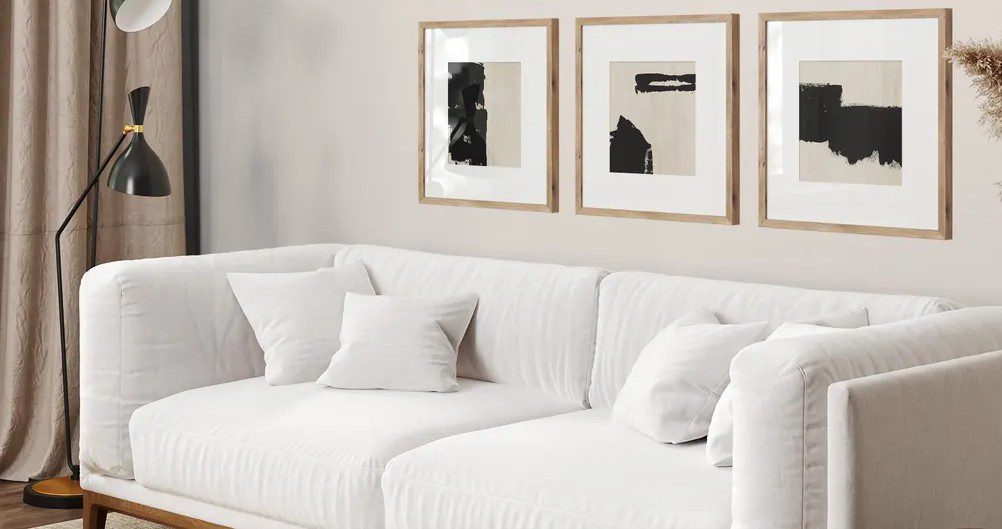
Abstract art, minimalist photography, architectural shots, and classic illustrations tend to scale beautifully.
4. Match the Art to the Room (Not Trends)
Trends fade. Walls don’t.
Choose artwork that fits the room’s mood, color palette, and scale. Oversized art makes a statement but small art needs breathing room or a gallery layout.
Final word: invest more time choosing the file than choosing the frame. Frames enhance. Files decide everything.